Active PhD researcher in cardiovascular physiology, peer-reviewed author, and public communicator on health and performance. The same standard — honesty, mechanism, evidence — runs through all of it.
Everything I have published, in two stacks: the peer-reviewed papers and the plain-language writing. Each paper has a summary here in ordinary English; the full text lives with the publisher, open access, and is linked from the summary.
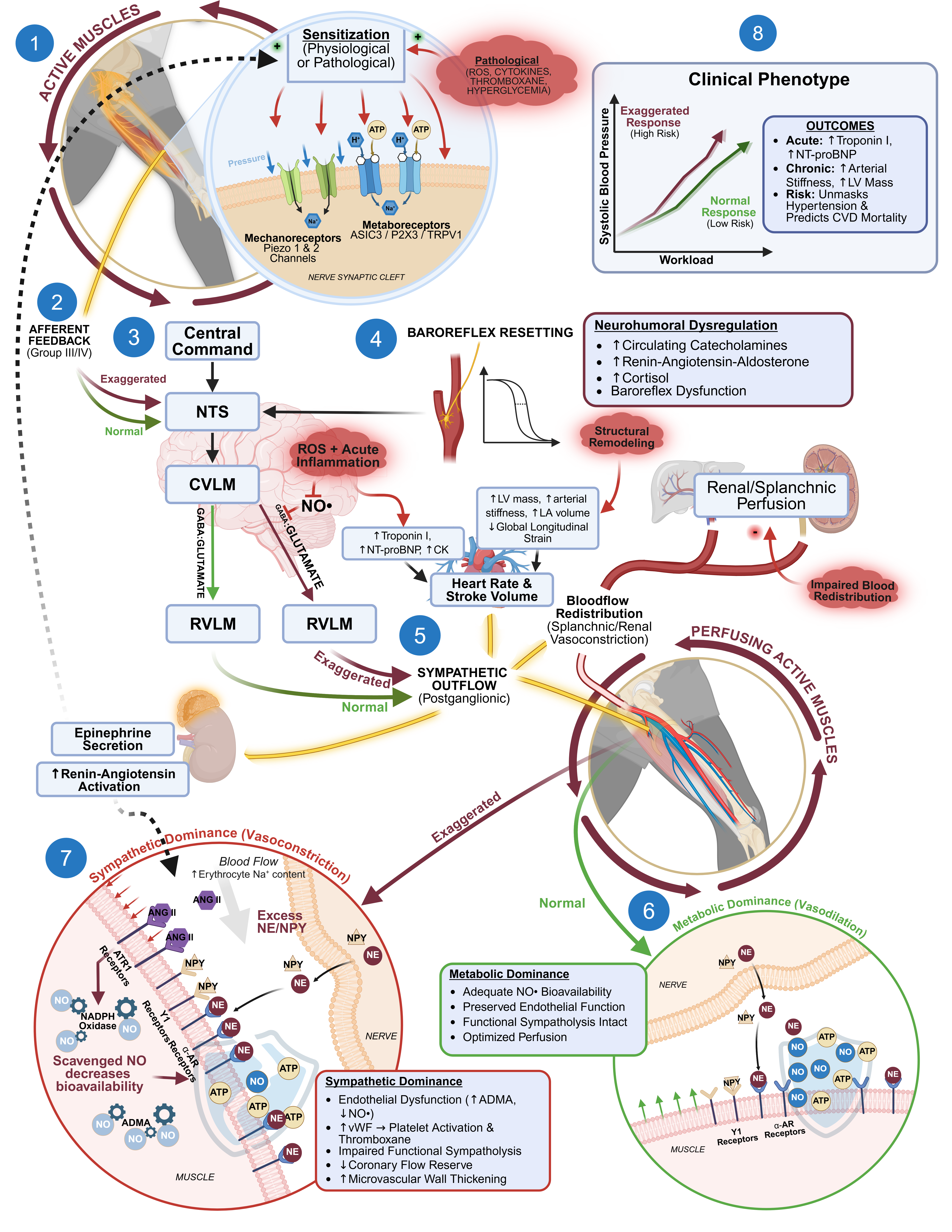
Why the way blood pressure behaves during exercise predicts heart risk, and how fitness and training can move it.
Plain-language summary → Exerc Sport Sci Rev · 2026Whether sweating, through exercise or heat, could act as a second route to clear the excess salt that strains the heart.
Plain-language summary → Am J Physiol Heart Circ Physiol · 2024How heart rate behaves during exercise in heart failure, and what it reveals about autonomic control.
Read at the journal ↗Maximum heart rate falls about a beat a year and no training stops it. Stroke volume is the lever that can be trained — and it is how an Olympic rower held his VO2max into his 40s.
Read it ↗ I Spy Physiology · 2026A child’s swallow briefly slows their heartbeat through the vagus nerve. A small window into how the body’s systems talk to each other.
Read it ↗My research is on how the sympathetic nervous system regulates blood pressure under stress — exercise, pain, and environmental extremes. Current work includes muscle sympathetic nerve activity during hyperbaric exposure with the Naval Submarine Medical Research Laboratory, and coordinating an NIH- and AHA-funded randomized trial of home-based training in adults at cardiovascular risk.
The through-line to my consulting work is not the analyses. It is how I build: reproducible pipelines, messy documents turned into clean structured data, and code other people can run and trust. The domain changes. The way I work does not.
Affiliations
Cardiovascular & Applied Physiology Laboratory, Florida State University
Institute of Sports Sciences and Medicine, FSU
Institute for Successful Longevity, FSU
Active research areas
Cardiovascular stress physiology and exercise blood pressure
Sodium and sweat physiology, passive heat therapy interventions
Autonomic neural signal analysis and reproducibility
AI reliability in clinical and research contexts
Participant phenotyping and classification frameworks
Abnormal blood pressure responses to exercise are strong independent predictors of cardiovascular morbidity and mortality. Higher cardiorespiratory fitness is associated with lower submaximal exercise BP across populations. This review synthesizes evidence on the prognostic value of exercise BP, its relation with fitness, and its response to exercise interventions, and proposes a clinical model for integrating exercise BP as a modifiable risk factor.
Hoch JW, Domeier C, Silvestri P, Watso JC. PMID: 41730298
Read the paper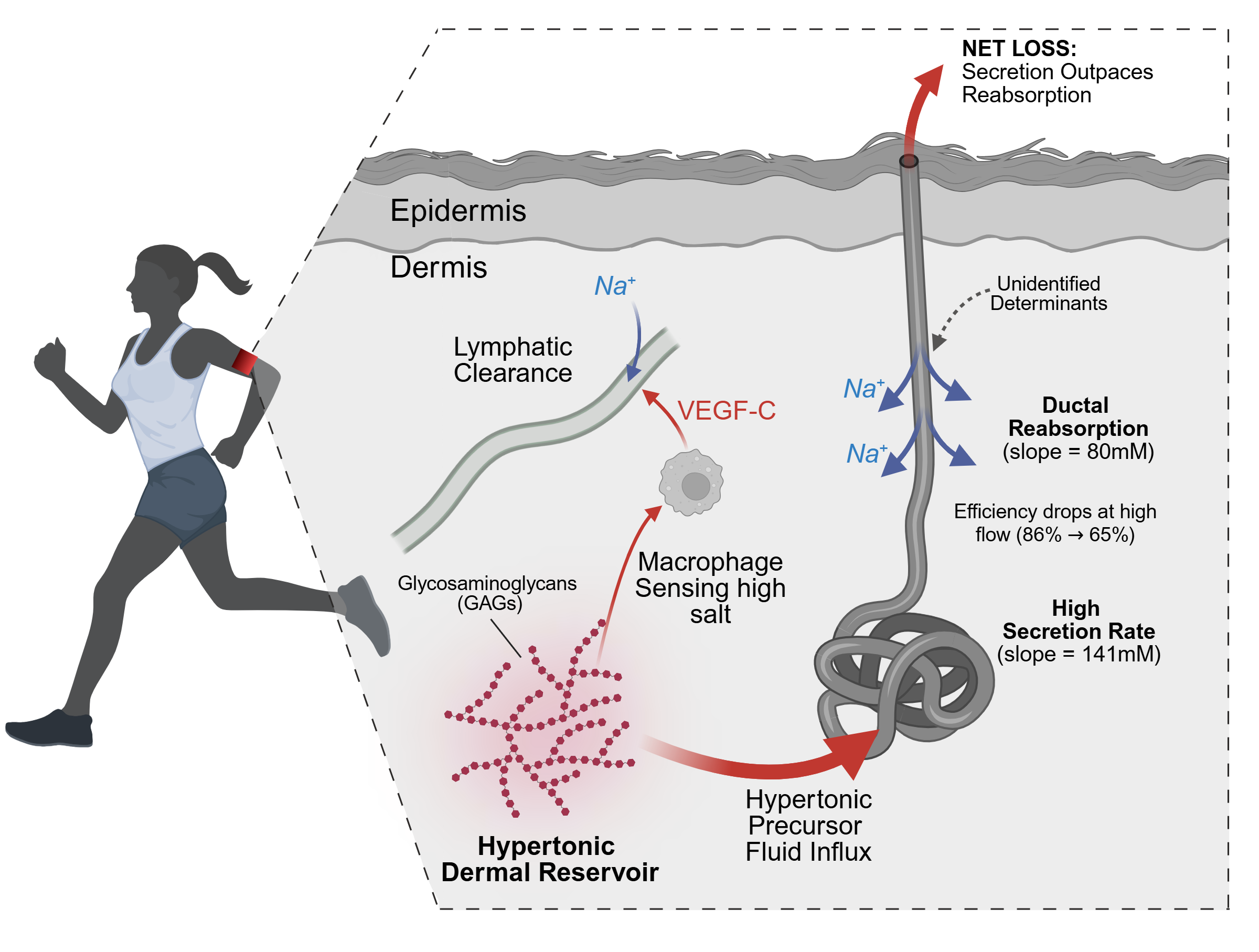
Mechanistic overview of the "third compartment" and sweat sodium kinetics. The eccrine sweat gland secretory coil utilizes dermal sodium as its precursor fluid. Secretion rate outpaces ductal reabsorption capacity at high flow, leading to progressive net sodium loss. Published in Exerc Sport Sci Rev, 2026.
Nine in ten adults exceed recommended sodium intake. Excess dietary sodium increases blood pressure during exercise and contributes to future cardiovascular disease. This review synthesizes evidence that sweat-inducing interventions could facilitate meaningful sodium losses through dermal excretion, representing a novel strategy to attenuate cardiovascular strain independently of renal function.
Hoch JW, Watso JC. PMID: 41718617. PMC: 12989138
Read the paperA mechanistic analysis of heart rate response patterns during exercise in heart failure patients, examining the role of autonomic dysfunction and implications for clinical assessment.
Hoch JW, Watso JC. PMID: 39093002
Read the paperAd hoc manuscript reviewer
Heart and Circulatory Physiology
Medicine & Science in Sports & Exercise
Journal of Applied Physiology
Journal of Pain Research
American Journal of Hypertension
Strength and Conditioning Journal
Memberships
American Physiological Society
American College of Sports Medicine
North American Artery
Selected awards
Environmental & Exercise Physiology Section Honor and Impact Award, APS 2026
Partnership for Clean Competition Anti-Doping Pre-Doctoral Research Award ($2,250), APS 2026
Irene Gerlack Scholarship/Fellowship Endowment ($3,000), FSU 2025
All analysis pipelines are published on GitHub with documentation and example data. Built to replace manual processes that were taking hours and introducing error.
Replaced manual copy-paste across 80+ Excel files. Python, point-and-click GUI, automated Z-score flagging.
Batch extraction from Hologic DXA PDF reports. Handles four proprietary report variants with font encoding artifacts.
Combines NDSR raw text exports into a master CSV, then selects, averages, and exports through a point-and-click GUI. Python.
Modeled sodium loss across temperature and humidity gradients. Published alongside the ESSR review paper.
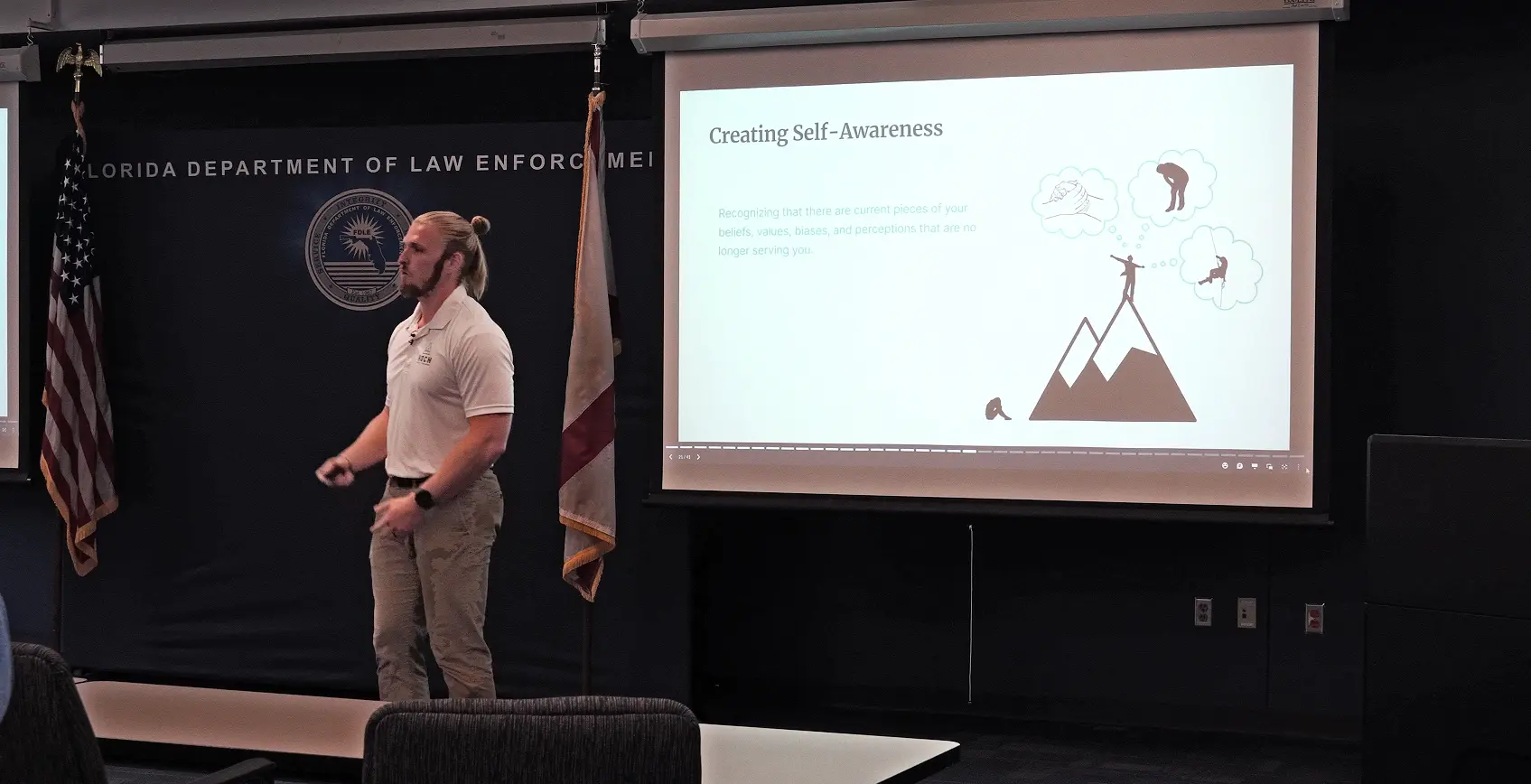
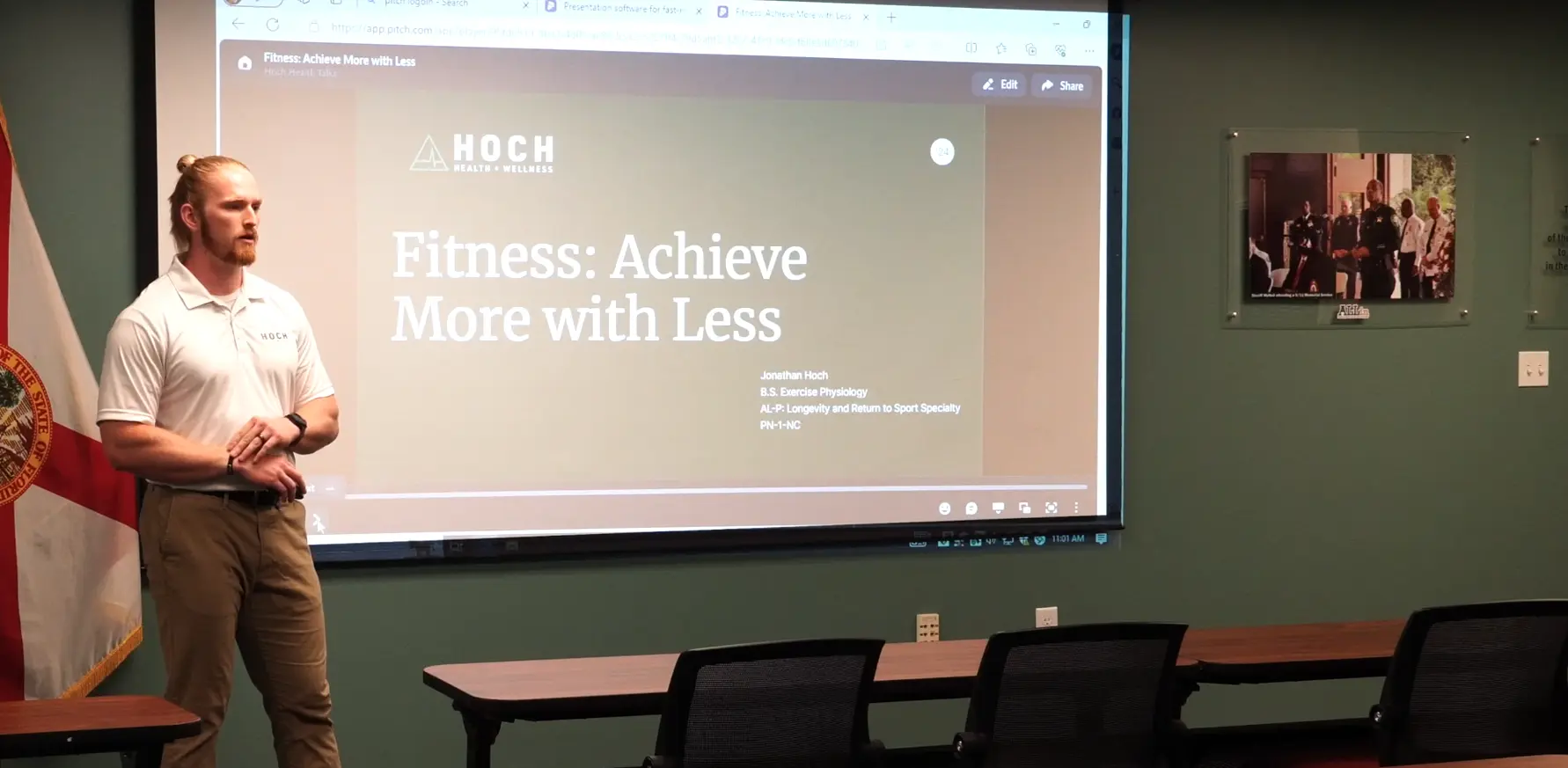
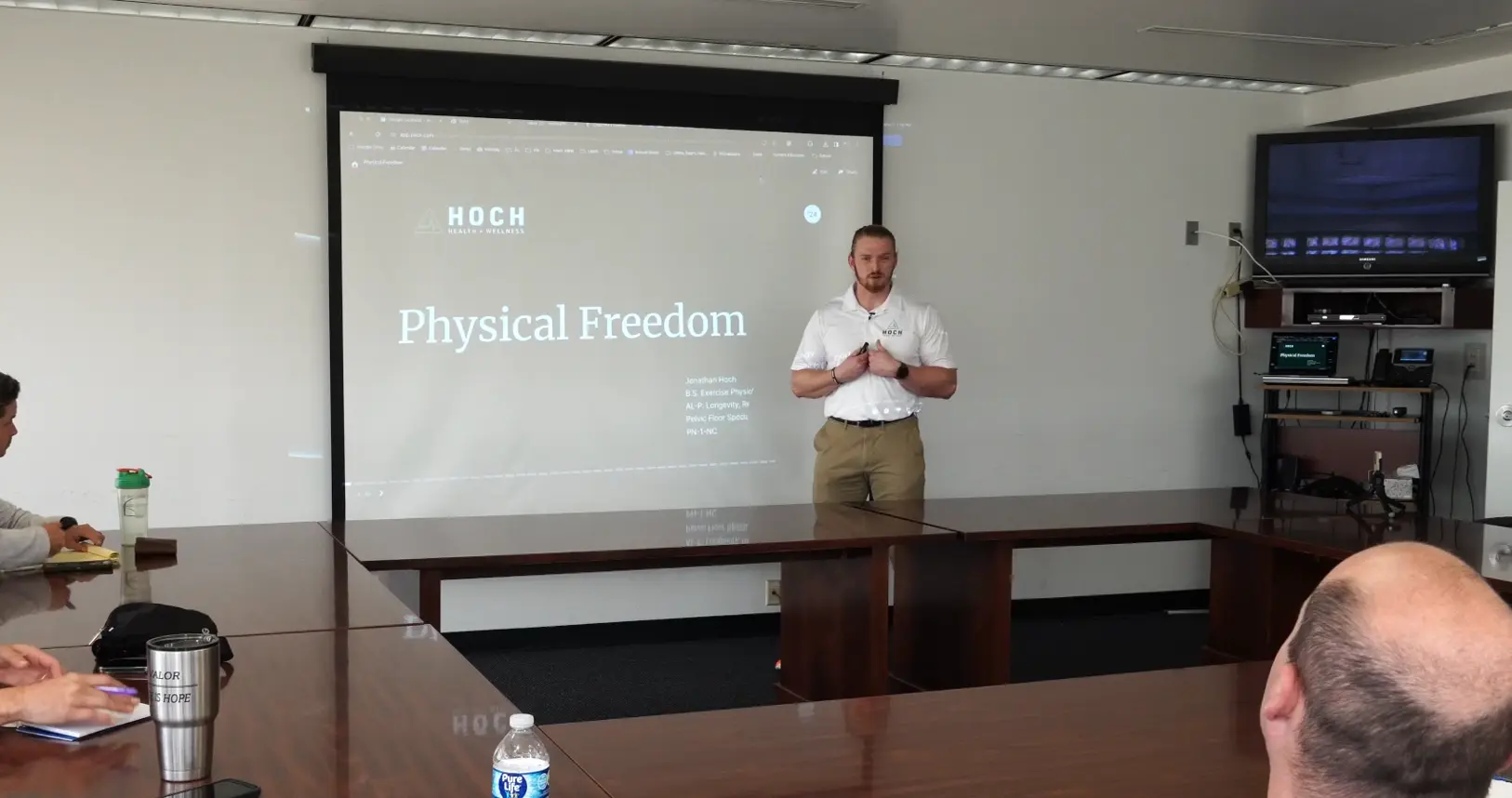
Long-form conversations on pain, training, and building health that holds up, plus invited sessions for Florida law enforcement agencies.
The Dr. Joey Munoz Show · Feb 2024 · YouTube ↗
The Dr. Joey Munoz Show · Apr 2024 · YouTube ↗
Feel Strong Fitness · Apr 2024
Invited talks
Florida Dept. of Law Enforcement
Health & performance
Leon County Sheriff's Office
Health & performance
Tallahassee Police Department
Health & performance
The same rigor I apply in the lab applies to the systems I build. If that matters to your organization, let's talk.
Start a conversation